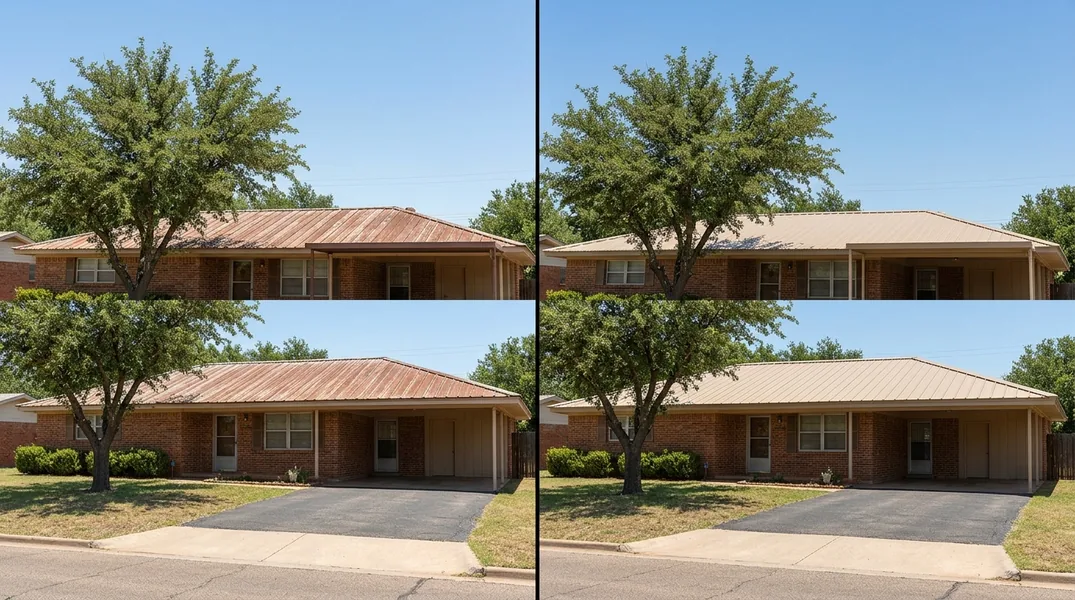
Why Hail Ratings Matter for Wichita Falls Homeowners
If you live in Wichita Falls, you already know that spring and early summer can bring violent thunderstorms with hailstones large enough to dent cars and shred asphalt shingles. The region sits squarely in "Hail Alley," a broad swath of the southern Plains where severe hail is more frequent than almost anywhere else in the United States. For homeowners, that means your roof is not just a shelter; it is your first line of defense against repeated impact damage.
This is where impact ratings come in. An impact rated metal roof has been tested under controlled laboratory conditions to withstand the strike of a steel ball or ice ball without cracking, splitting, or allowing water to penetrate the underlying structure. These ratings are not marketing fluff. They are standardized benchmarks that insurers, contractors, and code officials use to compare products fairly. Understanding what the numbers mean helps you choose a roof that protects your home and your wallet.
What Class 4 Metal Roof Ratings Actually Mean
The most widely recognized hail rating system in the United States comes from Underwriters Laboratories (UL). Under UL 2218, roofing products are tested by dropping steel balls of increasing size onto the surface. A Class 4 metal roof withstands the largest impact, a 2-inch steel ball dropped from a height that simulates a severe hailstone strike. There are also Class 1, 2, and 3 ratings, but Class 4 is the highest and the one most insurance companies care about.
It is important to understand that the rating applies to the specific product assembly, not to metal roofing in general. A thin, low-quality metal panel may not carry a Class 4 rating even though it is metal. Conversely, a properly manufactured Standing Seam Metal Roofing system with appropriate thickness and fastening often earns Class 4 certification. When you shop for hail resistant roofing, ask to see the manufacturer's UL 2218 documentation for the exact panel and profile you are considering.
Another useful benchmark is the FM Approvals 4470 standard, which tests for severe hail damage. Some premium metal products earn the FM 4470 Severe Hail rating, indicating they can handle even larger impacts. Together, these certifications give you a verifiable way to compare products rather than relying on a salesperson's word.
How a Class 4 Roof Can Lower Your Insurance Costs
Texas insurance carriers have paid out billions of dollars in hail claims over the past two decades, and they have adjusted their underwriting accordingly. Many companies now offer meaningful premium discounts for homes with Class 4 impact rated roofing. In some cases, the discount can be 20 to 30 percent on the wind and hail portion of your homeowners policy. Over the life of a roof, those savings can offset a significant portion of the installation pricing.
There is a catch, though. Insurers typically require proof that the entire roof system meets Class 4 standards, including the underlayment and fasteners, not just the panels. They may also ask for a certificate from the manufacturer or a statement from your contractor. Before you commit to a product, call your insurance agent and ask two questions: does the company recognize UL 2218 Class 4 ratings, and what documentation is required to qualify for the discount? Getting those answers early prevents surprises later.
Choosing the Right Hail Resistant Roofing for Your Home
Not all metal roofs perform the same way under hail. Panel thickness, substrate material, and profile all affect impact resistance. Heavier gauge steel and aluminum panels tend to resist denting better than thin, light-gauge products. Some panels feature a textured or embossed surface that helps hide minor dents, while others use a stiffening rib design to spread impact energy. Standing seam profiles, because of their raised seams and concealed fasteners, often perform well in hail tests and also resist wind uplift.
Beyond the panels themselves, the installation details matter enormously. Fasteners must be correctly spaced and driven to the right depth. Underlayment should be a high-temperature synthetic product that will not tear if a panel is dented. Flashing around chimneys, skylights, and vents must be sealed properly to prevent water intrusion after a storm. This is why choosing an experienced local installer matters as much as choosing the right product. A Class 4 panel installed poorly will not deliver Class 4 performance.
If your current roof is aging asphalt shingles, you may also want to ask about Metal Roof Over Shingles (Retrofit). In many cases, a metal roof can be installed directly over an existing shingle layer, saving on tear-off costs and landfill waste. A qualified contractor can tell you whether your roof deck and local code allow this approach.
Metal Roof Installation Near Me: When to Call a Pro
If you are searching for "metal roof installation near me" in the Wichita Falls area, you are probably weighing a repair against a full replacement. Hail damage often shows up as dents, granule loss on shingles, cracked seals around flashing, or small leaks that appear weeks after a storm. If your roof has already survived multiple hail events, patching may only delay the inevitable. A Metal Roof Installation designed for impact resistance can break that cycle of repeated damage and repair.
Homeowners in nearby communities like Burkburnett and Iowa Park face the same hail risks and often have fewer local roofing options. A contractor who knows the regional weather patterns, local building codes, and insurance expectations can recommend a system that fits your home and budget. If your roof is more than 15 years old or has visible storm damage, a professional inspection is the right first step. You can request a free estimate to get a clear picture of your options.
Planning Your Roof Replacement and Next Steps
When you are ready to move forward, a Metal Roof Replacement is a major investment, so plan it carefully. Ask for a written proposal that lists the panel manufacturer, the UL 2218 classification, the underlayment product, and the fastener specifications. Confirm whether the contractor will handle permit paperwork and whether the workmanship warranty covers hail damage separately from material defects. A reputable installer will welcome these questions.
Finally, think about timing. Roofing crews are busiest after major storms, and scheduling delays can stretch for weeks. If your roof is still in good condition but aging, getting an assessment now, before the next hail season, gives you time to make a measured decision rather than an emergency one. Call Wichita Falls Metal Roofing at (940) 400-3876 to discuss impact rated options for your home. A little planning today can save you a lot of stress the next time the sky turns green.
Looking for a professional metal roofing contractor in Wichita Falls? Wichita Falls Metal Roofing responds fast for all your metal roofing needs.
Get a Free QuoteOur services: Metal Roof Installation · Standing Seam Metal Roofing · Metal Roof Replacement